

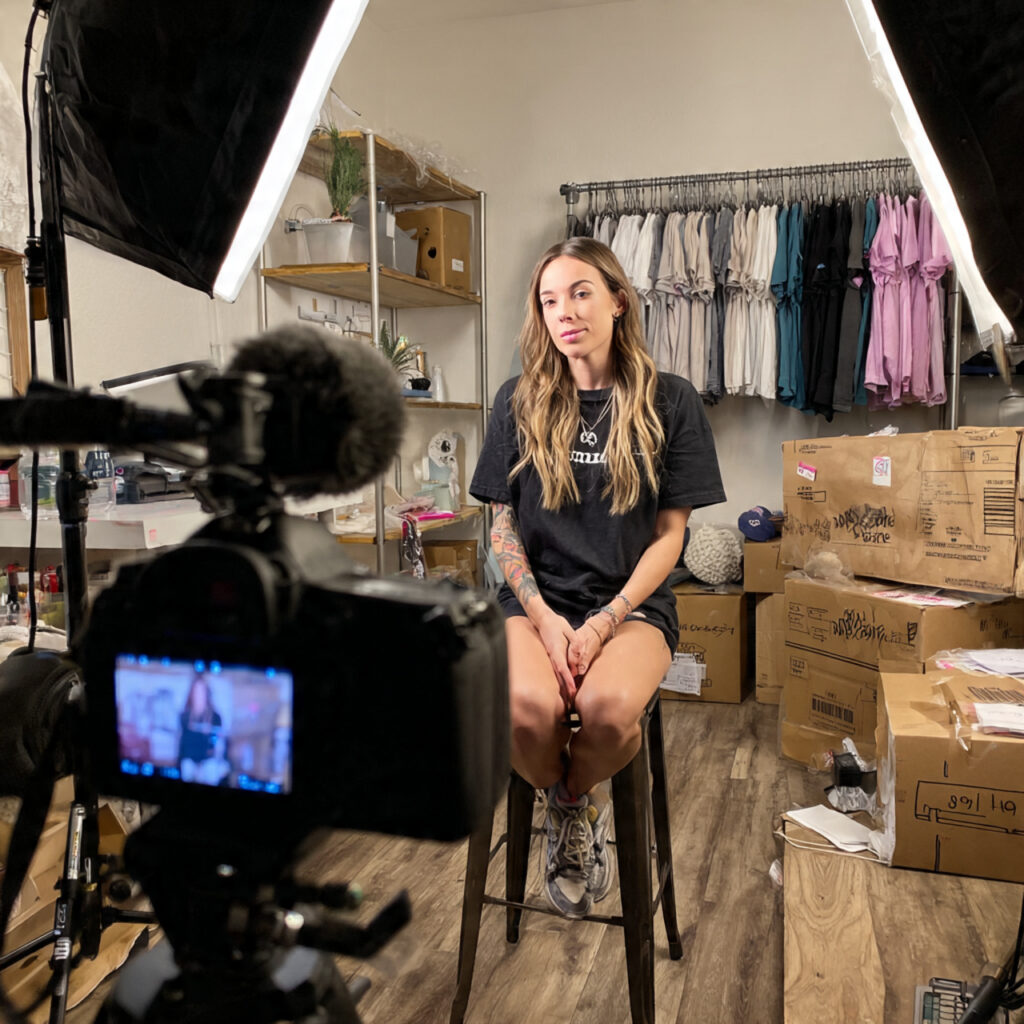
In today’s digital age, the potential for entrepreneurial success is more accessible than ever, as demonstrated by one seller’s inspiring journey from a mere $50 investment to launching a thriving online store. This article explores the strategic steps taken by the seller, revealing how careful market research, effective marketing strategies, and a commitment to learning from challenges can transform a small investment into a flourishing business. By sharing the lessons learned along the way, this story serves as a roadmap for aspiring entrepreneurs looking to carve their own path in the world of e-commerce.
The Beginning: From $50 to an Idea
Identifying a Passion or Interest
Every great journey starts with a spark of inspiration and, in this case, a mere $50. For our seller, this spark came from a lifelong hobby: crafting unique jewelry pieces that just so happened to make friends and family weak in the knees. If you’re starting with limited funds, the key is to channel your inner Picasso (or whatever creative genius you aspire to) and identify what truly excites you. Whether it’s baking, fashion, or even quirky cat toys, find something that resonates with you. If you’re passionate about it, selling it will feel less like work and more like a fun, profit-generating hobby!
Setting Initial Goals and Objectives
After pinpointing that burning passion, it’s time to put pen to paper—or fingers to keyboard—and set some realistic goals. With only $50, lofty dreams of becoming the next Amazon may need a bit of moderation. Instead, think smaller. Perhaps your first objective is to create a simple online store and sell your first 10 pieces of jewelry. These bite-sized goals keep you motivated and allow you to celebrate little victories along the way, like hitting that first sale! Plus, it gives you a roadmap to follow (and avoid the dreaded “lost in the internet abyss” syndrome).
Researching the Market: Finding the Right Niche
Analyzing Competitors
You may be a genius in your craft, but that doesn’t mean you should take off blindfolded into the online retail wilderness. Start by keeping an eye on competitors. What are they selling? What’s their pricing strategy? Are they offering free shipping or cool discounts? Grab your detective hat and dive into their social media and website. This isn’t about copying—it’s about understanding the landscape and finding gaps in the market that you can fill with your unique style. Think of it as your early warning system for market trends and customer preferences.
Understanding Target Audience Needs
Next up: who’s actually going to buy your creations? Understanding your target audience is like having a secret weapon. Spend some time figuring out their demographics, interests, and shopping habits. Are they eco-conscious? Do they prefer bold and colorful pieces? Or maybe they’re on the hunt for minimalist designs? Engage in some online forums, social media groups, or even local craft fairs to gather insights. This information is gold—it’ll guide your product offerings and marketing strategies, ensuring you’re not just throwing spaghetti at the wall to see what sticks.
Building the Online Store: Tools and Platforms
Choosing the Right E-commerce Platform
With your niche and audience locked down, it’s time for the fun part: building your online store! But first, you’ve got to pick the right e-commerce platform. Think of platforms like Shopify, WooCommerce, or Etsy as the digital storefronts of your dreams. Each comes with its own set of features, pricing, and user-friendliness. For a seller just starting out—especially with a modest budget—you might want something simple and straightforward. Be sure to choose a platform that suits your needs and allows you to grow as your business flourishes!
Designing an Engaging User Experience
Now that you have your platform, let’s give it a little personality! An engaging user experience can make or break a sale. Keep navigation intuitive—no one enjoys feeling like they’re lost in a corn maze while trying to find that perfect pair of earrings. Use attractive visuals, clear product descriptions, and, of course, a bit of your branding magic to keep things fresh. Remember, you want your customers to feel like they’ve stumbled into a cozy boutique rather than a cluttered garage sale!
Marketing Strategies: Promoting the New Venture
Utilizing Social Media Effectively
Congratulations! Your online store is up and running! Now it’s time to let the world know you exist. Social media is your best friend here. Platforms like Instagram and Pinterest are visual paradise and perfect for showcasing your products. Create engaging posts that highlight your pieces, share behind-the-scenes glimpses of your creative process, and interact with your followers. Don’t forget to use hashtags to reach a wider audience. Remember, it’s not just about selling; it’s about building a community around your brand!
Implementing SEO Best Practices
Last but not least, let’s talk SEO—Search Engine Optimization, that magical realm where Google decides who gets the spotlight. Implementing SEO best practices can boost your visibility and drive traffic to your online store. Start with keyword research to identify what potential customers are searching for and sprinkle those keywords throughout your product descriptions, blog content, and image alt texts. Think of it as planting little seeds that will grow into a garden of customers finding their way to your doorstep. And who doesn’t want a garden full of shoppers?Overcoming Challenges: Lessons Learned Along the Way
Dealing with Initial Setbacks
Every entrepreneur has at least one ‘oops’ moment, and our seller was no different. Initially, their e-commerce adventure hit some snags—think inventory delays and a website crash that felt like a digital meltdown. Lessons learned? Don’t put all your eggs in one basket (or one server). Diversifying suppliers and creating a backup plan for tech mishaps became essential. Turning setbacks into learning opportunities meant they could bounce back quicker than a rubber ball at a toddler’s birthday party.
Adjusting Strategies Based on Feedback
If there’s one thing that’s more valuable than gold in the world of online selling, it’s customer feedback. Our seller embraced this concept like a long-lost friend. Early reviews pointed out a few hiccups in their product descriptions and shipping times. Instead of sulking, they rolled up their sleeves and made those changes. Updating listings, optimizing shipping processes, and adding a FAQ section not only brightened customer satisfaction but also turned potential critics into loyal fans. Feedback transformed from an intimidating monster into a trusty GPS guiding them towards success.
Scaling Up: Expanding Product Lines and Customer Base
Identifying Opportunities for Growth
Once the basics were down, our seller switched gears from survival mode to growth mode. They scouted the market for trends—what’s hot, what’s not, and what’s about to make a comeback like 90s fashion. By keeping an eye on customer preferences and dabbling in social media trends, they managed to spot gaps in the market. This led to a diverse product line that had everything from eco-friendly kitchen gadgets to cute pet accessories, attracting a wider audience and making their online store the go-to place for quirky finds.
Leveraging Customer Feedback for Improvement
With more customers came more feedback, which was like a treasure map leading to improvement gold. Our seller listened to reviews and conducted surveys, treating every suggestion as a clue to bettering their store. Did customers want a wider color selection? Check! Was free shipping a dealbreaker? Double check! By adapting to these insights, they didn’t just stock what was “in” but also what their loyal fans wanted. This approach not only boosted sales but built a community of enthusiastic repeat buyers who felt like part of the brand’s journey.
Financial Management: Turning Profit into Growth
Budgeting for Reinvestment
A thriving online store doesn’t just happen—it requires a keen eye for finances. Our savvy seller understood that reinvesting profits is the secret sauce to scaling up. They meticulously crafted a budget that allocated funds for new inventory, marketing, and even a sprinkle of fun (hello, team lunches!). This strategic approach ensured that profits weren’t just sitting in a bank account, but powering the next wave of business growth. Because if you’re not reinvesting in your dream, are you really living it?
Tracking Expenses and Revenue
Keeping tabs on cash flow is crucial, and our seller embraced this like some sort of financial superhero. Armed with spreadsheets and accounting software, they tracked every penny like a hawk. This diligence led to the discovery of cost-saving opportunities—who knew bulk purchasing could slash expenses? Plus, spotting revenue trends early meant they could pivot their marketing strategies before the tide turned. It’s all about knowing where your money is going so you can ensure it’s not hiding under the couch cushions.
Future Goals: Sustaining Success and Innovation
Setting Long-Term Vision and Objectives
With success comes the exciting task of planning for the future. Our entrepreneur didn’t let the momentum fizzle out; instead, they set ambitious yet realistic long-term goals. Whether it was aiming for a specific revenue target or expanding into international markets, they had a roadmap that kept them focused. By setting clear milestones, they ensured that every team member was on board, transforming individual ambitions into a collective vision. Spoiler alert: teamwork really does make the dream work!
Exploring New Markets and Trends
The online world is always changing, and our seller made it a point to keep their finger on the pulse of emerging trends. They researched new markets, whether it’s tapping into vegan products or the latest tech gadgets. By regularly attending workshops and webinars, they not only stayed informed but also networked with other industry players. This proactive approach meant they were always a step ahead, ready to pivot and adapt to new opportunities like a cat ready to pounce on its favorite toy. After all, in the e-commerce game, staying static is a surefire way to get left behind!As we have seen through this seller’s remarkable journey, turning a small investment into a successful online store is not only possible but also achievable with the right mindset and strategies. By embracing challenges, continuously learning, and adapting to market demands, anyone can create a thriving business from the ground up. Whether you’re starting with $50 or more, the key lies in dedication, creativity, and a willingness to persevere. With these principles in mind, your entrepreneurial dreams are within reach.
Frequently Asked Questions
What was the initial investment, and how was it used?
The initial investment was $50, which was primarily used for purchasing inventory, setting up an online store, and initial marketing efforts.
What challenges did the seller face during the journey?
The seller encountered challenges such as cash flow management, competition analysis, and adapting to customer feedback, which were crucial for growth.
How long did it take for the seller to see significant profit?
While timelines can vary, the seller began to see significant profit within the first year by consistently refining their strategies and expanding their product offerings.
What are some effective marketing strategies used by the seller?
The seller utilized social media marketing, search engine optimization (SEO), and engaging content creation to attract and retain customers.

Leave a Reply